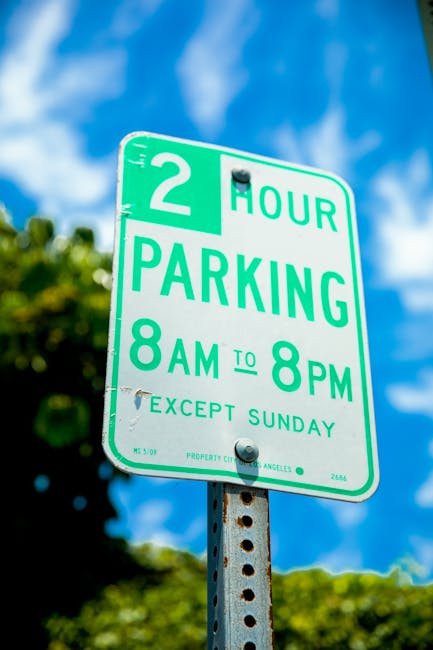
Finchley Road house removals timing and parking guide
If you are planning a move around Finchley Road, timing and parking can make the day feel either smooth or slightly chaotic. One van parked in the wrong place, one school-run queue, one missed loading window, and suddenly the whole move drags. This Finchley Road house removals timing and parking guide is here to help you plan the day properly, avoid the usual stress points, and keep your removal crew moving instead of waiting on the kerb.
Finchley Road is busy, mixed-use, and often tighter than people expect. You have homes, flats, shops, buses, station traffic, and delivery vehicles all competing for space. That means the best house move is rarely the one that starts earliest by default; it is the one that starts at the right time, with parking sorted before the first box leaves the hallway. Let's get into what actually works.
Table of Contents
- Why Finchley Road house removals timing and parking guide matters
- How Finchley Road house removals timing and parking guide works
- Key benefits and practical advantages
- Who this is for and when it makes sense
- Step-by-step guidance
- Expert tips for better results
- Common mistakes to avoid
- Tools, resources and recommendations
- Law, compliance, standards, or best practice
- Options, methods, or comparison table
- Case study or real-world example
- Practical checklist
- Conclusion
- Frequently asked questions
Why Finchley Road house removals timing and parking guide Matters
On paper, a house removal sounds simple: arrive, load, drive, unload. In real life, the timing around Finchley Road matters because traffic, parking pressure, access restrictions, and the rhythm of local streets all affect how long the move actually takes. If you are moving from a flat above a parade of shops, or from a terraced house with no driveway, the wrong arrival time can cost you a surprising amount of time.
The practical issue is not just convenience. Bad timing often means your removal van arrives during heavier traffic, your lifting team waits while a parking gap opens, or neighbours block the access you were hoping to use. That is a frustrating start, and it can ripple through the rest of the day. To be fair, one small delay early on can become three later.
Parking matters just as much. A van needs legal, workable space close enough to the property for safe loading. If the vehicle has to sit too far away, every box, sofa, mattress, and wardrobe frame has to be carried farther than planned. That slows the job, increases fatigue, and makes damage more likely. For larger house removals, parking is not a side issue; it is central to the move.
There is also the stress factor. People underestimate how much calmer the day feels when parking is already sorted and the team knows the moving window. You will notice the difference straight away: fewer awkward pauses, less back-and-forth, and a lot less standing around on the pavement wondering where the van can legally stop. Not glamorous, but very real.
How Finchley Road house removals timing and parking guide Works
The best way to think about a Finchley Road move is as a sequence of small decisions rather than one big event. First, you identify the likely busy periods on the road and around the property. Then you match the moving slot to the easiest access window. After that, you make sure the vehicle can stop, load, and leave without causing avoidable friction.
In practical terms, the process usually comes down to four things:
- Arrival timing: choosing a slot that avoids peak congestion where possible.
- Access planning: checking whether the front of the property, side access, or shared driveway can be used.
- Parking arrangement: confirming where the van can stand while loading and unloading.
- Fallback options: knowing what to do if the preferred space is occupied on the day.
It also helps to plan the move around your own property type. A top-floor flat with one narrow stairwell is a very different job from a ground-floor maisonette with a short front path. If your move involves stairs, awkward corners, or large furniture, the timing needs a bit more breathing room. No one wants to rush a wardrobe down a landing because the parking window was too tight.
For many households, the smartest approach is to build in a buffer. That might mean starting before the road gets busier, or allowing extra time for loading if the only viable parking is a short walk away. Small buffer, big difference.
Key Benefits and Practical Advantages
A well-timed move with sensible parking planning does more than shave minutes off the clock. It improves the whole experience from start to finish. Here are the main benefits people actually feel on the day.
- Less waiting time: the removal team can get straight to work instead of circling or searching for space.
- Lower physical strain: shorter carrying distances reduce pressure on everyone involved.
- Reduced risk of damage: fewer awkward lifts and fewer unnecessary trips mean less chance of knocks and scrapes.
- Better neighbour relations: a tidy, brief loading period is usually easier for everyone on the street.
- More accurate scheduling: if the first part of the move stays on track, the rest usually does too.
There is a commercial upside as well. If you are comparing removal services, those that understand local access and timing tend to deliver a more reliable day overall. It is not just about the truck size or the number of crew members. It is about the coordination around them. That is where professional house removals really earn their keep.
If you are still at the planning stage, it can help to review broader moving options such as house removals, home moves, or a more flexible man and van solution depending on how much you need to shift. For smaller properties, a removal van may be sufficient. For bigger loads, a moving truck or removal truck hire may be more suitable.
Who This Is For and When It Makes Sense
This guide is for anyone moving home on or around Finchley Road, but some people benefit more than others. If you are in a flat with no private parking, you need this. If you are moving out of a shared building with a narrow entrance, you need this too. And if you are moving on a Saturday morning and hoping the street will magically clear itself, well, you probably need it most of all.
It is especially useful for:
- Families moving from a house with limited driveway access
- Flat owners or tenants dealing with shared or permit-controlled parking
- People moving with large furniture, pianos, or fragile items
- Students moving in or out of nearby accommodation
- Busy professionals trying to avoid disruption during the week
If the move is small and straightforward, the timing conversation may be simpler. A compact move handled by a man with a van or man with van setup can often be more adaptable when parking is tight. For more involved jobs, it makes sense to look at full removal services or even specialist support like flat removals and house removalists.
And if you are moving under time pressure, such as a last-minute handover or chain delay, same-day removals can be worth considering. Not ideal for every job, but sometimes life gives you the schedule it gives you.
Step-by-Step Guidance
Here is a practical way to plan Finchley Road removals without turning the whole thing into a spreadsheet marathon.
- Check the property access first. Look at the pavement width, entrance steps, front garden, driveway, loading bay potential, and any height or turning issues.
- Work backwards from your move-out deadline. If you must vacate by a certain time, count loading time, travel time, and possible delays before setting the removal slot.
- Choose the least congested window you can manage. Early starts are often easier, but only if everyone is ready and the building allows it.
- Confirm parking arrangements in advance. Decide whether the van can use a legal space, a loading bay, a private driveway, or a short-term stop directly outside.
- Tell the removal team about stairs, narrow halls, or heavy items. A piano, wardrobe, or sofa can change the whole load plan.
- Prepare an item priority list. Essentials first, then furniture, then overflow boxes. It sounds obvious, but people forget in the rush.
- Keep the access route clear. Hallways, doorways, and steps should be free of clutter before the crew arrives.
- Build in a buffer. Five or ten extra minutes is often enough to absorb a minor parking hiccup without panic.
One small but useful habit: photograph the front of the property and the nearest parking situation the day before, especially if you are arranging the move remotely. It gives you something concrete to discuss if the plan changes. Simple, not fancy, and honestly quite useful.
Expert Tips for Better Results
Experience tells you a few things that are easy to overlook if you only move occasionally. First, timing around schools, commuter traffic, and delivery-heavy periods matters more than people think. A move that starts at the wrong moment can feel twice as long, even when the actual distance is tiny.
Second, the best parking spot is not always the closest one in theory. Sometimes the slightly farther legal space is better because it is easier to leave from, easier to load from, and less likely to be blocked by another vehicle. This is especially true on busy roads like Finchley Road, where flow matters.
Third, think about the weather. Rain makes carrying boxes slower, surfaces slippier, and patience thinner. A damp staircase in the morning can have that fresh rain smell, which is pleasant right until you are trying to manoeuvre a mattress around a tight bend. Then it is less charming.
Some practical expert habits:
- Place packed boxes near the exit the evening before, but not in a way that blocks the path.
- Keep kettle, chargers, medication, documents, and keys in one clearly marked essentials bag.
- Label large items with room names so unloading happens in the right order.
- If parking is uncertain, ask whether a second person can watch the space while the van positions itself.
- Use sturdy packing materials; weak boxes create delays, and delays create grumpiness. Fair enough.
If you need help with boxing, wrapping, or unpacking at the other end, packing and boxes and packing and unpacking services can take a lot of pressure off the day. When there are a dozen little tasks at once, having one job handled for you can feel like a genuine relief.
Common Mistakes to Avoid
Most moving problems are not dramatic. They are small planning misses that stack up. Here are the ones that cause the most avoidable trouble.
- Assuming parking will be available on arrival. It often will not be, especially on a busy road or near shared accommodation.
- Booking too late in the day. Even if the crew is efficient, late slots can collide with traffic, school pick-up, and resident parking pressure.
- Underestimating loading time. Stairs, lifts, long hallways, and awkward furniture all take longer than people hope.
- Not mentioning access issues early. The crew can plan around them if they know. If they do not, the day becomes guesswork.
- Leaving packing to the final night. It always looks manageable at 9pm. It feels less manageable at 7am.
- Ignoring backup parking options. One occupied space should not derail the entire move.
There is also a tendency to focus on the property address and forget the wider route. Finchley Road can be affected by nearby traffic conditions, events, and general London unpredictability. You do not need to map the universe, just allow enough room for things to be slightly off. That alone solves a lot.
Tools, Resources and Recommendations
You do not need a suitcase full of gadgets to organise a house move, but a few basic tools make the timing and parking plan much easier to manage.
- Phone photos: useful for showing access, road layout, and any parking constraints.
- Simple moving notes: a checklist in your phone or on paper keeps everyone on the same page.
- Sticky labels or marker pens: make box sorting faster at both ends.
- Measuring tape: helpful if you are unsure whether a sofa or bed frame will turn through a doorway.
- Cones or informal space markers: only where appropriate and lawful, and never used in a way that misleads other drivers.
For people who want a broader moving solution, it is worth understanding the differences between removals, removal companies, removal van support, and more comprehensive home moves. The best choice is the one that matches the size of the job, the access at the property, and the level of help you want on the day.
If you are relocating a smaller household or clearing furniture alongside the move, services like furniture removals and furniture pick up can fit neatly into the overall plan. For more complex situations, storage can also help bridge timing gaps between move-out and move-in dates. Sometimes the dates simply do not line up, and that is life.
Law, Compliance, Standards, or Best Practice
Parking and loading around Finchley Road should always be handled with care and common sense. The exact rules depend on the street, local restrictions, building arrangements, and any private land conditions in place. Because of that, the safest approach is to confirm what is allowed before the moving day rather than assuming a van can stop wherever it is most convenient.
Good practice usually includes:
- Checking for resident-only restrictions, permit zones, or time-limited loading areas
- Avoiding obstruction of driveways, crossings, entrances, and dropped kerbs
- Keeping footpaths clear enough for pedestrians
- Making sure items are carried safely and without unnecessary risk
- Using properly insured and safety-aware moving support where appropriate
If you are comparing providers, it is sensible to look at their safety approach and terms before the booking is confirmed. Pages such as health and safety policy, insurance and safety, terms and conditions, and payment and security can help you understand how the service is run. If a company communicates clearly there, that is usually a good sign. Not a guarantee, but a good sign.
For customers who want a little more about the business itself, about us gives useful background, while recycling and sustainability is helpful if you are trying to dispose of unwanted items responsibly during the move.
Options, Methods, or Comparison Table
Not every Finchley Road move needs the same kind of setup. The right timing and parking strategy depends on the type of move, the amount of furniture, and the access at each property.
| Move type | Typical timing approach | Parking focus | Best for |
|---|---|---|---|
| Small flat move | Earlier slot if possible, shorter loading window | Close legal stop, quick turnaround | Singles, couples, students |
| Full house removal | Build in buffer time and avoid peak congestion | Reliable space near the entrance | Families, larger households |
| Furniture-only move | Flexible, but still avoid the busiest periods | Space for heavy lifting and loading | Large items, partial clearances |
| Urgent or same-day move | Fastest workable slot, minimum delay | Immediate access matters most | Last-minute situations |
The table is only a starting point, of course. Real conditions on the day matter more than any neat chart. A well-run smaller job can be easier than a badly planned bigger one, which is mildly annoying but true.
Case Study or Real-World Example
A typical Finchley Road move might involve a third-floor flat, one lift that is a bit slow, and no private parking outside. The homeowner wants to leave by lunchtime, the road is already busy by mid-morning, and the van cannot sit in the ideal spot for long. That is exactly the kind of situation where timing and parking planning save the day.
In a case like this, the move works best when the team arrives early enough to use a short quieter window, the packing is already done, and the front access is clear before the van pulls up. The driver positions as close as legally possible, the heaviest items come out first, and a second person keeps an eye on the street so the vehicle can be moved if needed. It is not fancy. It is just coordinated.
What made the difference? The crew knew the stairs were narrow, the parking was uncertain, and the loading needed to happen quickly. So the plan was built around reality rather than wishful thinking. The result was fewer stops, less carrying distance, and a much calmer finish. The client was still tired, obviously. Moving is moving. But the day felt manageable, which is what people really want.
Practical Checklist
Use this checklist the day before and again on the morning of the move. It will save you from the classic "we forgot the keys" moment. Happens more than people admit.
- Confirm your moving time and arrival window
- Check the parking plan and a backup option
- Clear hallways, stairs, and the front entrance
- Label fragile, heavy, and priority boxes
- Pack essentials separately
- Measure large furniture against doorways if needed
- Tell the mover about any lift, stair, or access issues
- Keep permits, keys, and building instructions ready
- Make sure pets and children are safely managed during loading
- Walk the route from the property to the van before the first load starts
Quick expert summary: the smoothest Finchley Road house removals are usually the ones that respect the street, respect the timing, and keep the parking plan simple. A little preparation goes a long way, especially where traffic and access can change the mood of the day in a heartbeat.
If you want a better idea of what your own move may need, it is sensible to review the available support around removal services, house removals, and pricing and quotes before you lock in a date. A clear plan at the start is usually cheaper than solving problems on the curb at the last minute.
Conclusion
Finchley Road house removals are rarely difficult because of the boxes alone. They become difficult when timing is vague and parking is left to chance. Once you plan for the street, the access, and the practical loading window, the whole process becomes far more predictable. Not perfect, but much better.
The good news is that a sensible move does not require complicated tactics. It needs a realistic start time, a legal place for the van, a clear path from door to vehicle, and a bit of room for the unexpected. That is the real difference between a stressful removal and one that feels organised.
And if there is one thing to remember, it is this: on a busy London road, the quiet bit of planning you do the day before is often what saves the day itself. Small effort, big payoff.
Get a free quote today and see how much you can save.
Frequently Asked Questions
What is the best time of day for Finchley Road house removals?
Earlier in the day is often easier, especially if you want to avoid heavier traffic and give yourself more breathing room for loading. That said, the best time also depends on your building access, parking restrictions, and when you need to hand the property back.
How far in advance should I plan parking for a house move on Finchley Road?
Ideally, parking should be checked as early as possible, not left until the moving morning. Even if you cannot reserve a space formally, knowing the likely legal options and a backup plan makes the whole day less fragile.
Do I need a permit or special parking arrangement for removals?
It depends on the exact location, the restrictions on the street, and whether the van needs to stop on private or managed land. The safest approach is to check the local parking rules and confirm any building requirements before the move.
What if the parking space outside my home is already taken?
That is exactly why a backup plan matters. The removal team may need to use a nearby legal loading space or a slightly longer carrying route. A little flexibility can prevent a small problem from becoming a long delay.
Is an early morning move always better?
Not always, but it often helps. Early starts can reduce traffic and make parking easier. The catch is that everyone needs to be ready, packed, and accessible on time. An early slot is only useful if the rest of the plan is equally early.
How do I know whether I need a man and van or full removals?
If you have a small load, fewer furniture items, or a simple property layout, a lighter service such as man and van may be enough. For larger homes, heavier furniture, or more complex access, full house removals usually makes more sense.
Can parking problems make a move take much longer?
Yes, they can. If the van cannot get close to the property, every trip takes longer and the team has to carry items farther. That extra distance is often what turns a straightforward move into a tiring one.
What should I tell the removal company before moving day?
Share any stairs, lift issues, narrow entrances, restricted parking, heavy furniture, or timing deadlines. The more they know in advance, the better they can plan the vehicle size, crew, and arrival window.
Are weekend removals harder on Finchley Road?
They can be. Weekends may feel more flexible, but they can also bring local traffic, shopping activity, and parking competition. The right answer depends on the street conditions at the exact time you plan to move.
What should I do if I have a tight move-out deadline?
Choose a firm schedule, keep the access route clear, and avoid leaving packing until the last minute. If the timing is especially tight, consider a service that can handle the move efficiently and speak openly about the parking constraints.
Can storage help if my move-in and move-out dates do not match?
Yes. If your dates do not line up neatly, temporary storage can take the pressure off and stop the move from becoming a last-minute scramble.
How do I avoid stressing the neighbours during a move?
Keep the loading period efficient, avoid blocking entrances, and make sure the van is positioned as legally and considerately as possible. A bit of courtesy goes a long way, especially on a busy street where everyone notices everyone else's van.