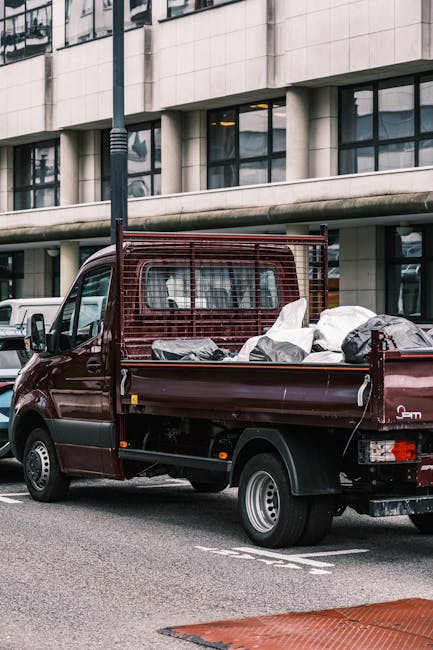
NW3 flat removals on Avenue Road tricky access and solutions
Moving a flat in NW3 sounds straightforward on paper. Then Avenue Road happens. Tight access, busy traffic, awkward entrances, upper-floor flats, limited parking, and the occasional lift that looks like it was fitted for luggage rather than a sofa. If you are planning NW3 flat removals on Avenue Road tricky access and solutions, you already know the real challenge is not the distance between homes. It is the logistics in between.
This guide breaks down what makes Avenue Road removals more complicated than a standard flat move, how experienced movers work around the obstacles, and which practical decisions make the biggest difference on the day. Whether you are moving from a modern apartment block or a period conversion with narrow stairs and sharp corners, the aim is the same: keep the move calm, safe, and as efficient as possible. Truth be told, a bit of planning here saves a lot of swearing later.
You will find a clear step-by-step process, realistic access solutions, a checklist, common mistakes, and a useful comparison of methods. If you are weighing up removal options in NW3, this should help you make a smarter call.
Table of Contents
- Why NW3 flat removals on Avenue Road tricky access and solutions Matters
- How NW3 flat removals on Avenue Road tricky access and solutions Works
- Key Benefits and Practical Advantages
- Who This Is For and When It Makes Sense
- Step-by-Step Guidance
- Expert Tips for Better Results
- Common Mistakes to Avoid
- Tools, Resources and Recommendations
- Law, Compliance, Standards, or Best Practice
- Options, Methods, or Comparison Table
- Case Study or Real-World Example
- Practical Checklist
- Conclusion
- Frequently Asked Questions
Why NW3 flat removals on Avenue Road tricky access and solutions Matters
Avenue Road sits in a part of North West London where access can be surprisingly demanding for something that looks, at first glance, like a normal residential move. The road itself, the surrounding streets, and the style of housing all influence how removals need to be planned. In practice, that can mean less space to park, tighter turning points, more pedestrian activity, and buildings that were never designed with modern furniture in mind.
The main reason this matters is simple: access issues do not just slow things down. They increase the risk of damage, delays, extra labour, and stress for everyone involved. A sofa that fits perfectly in a van can still become a problem on a second-floor landing with a narrow bend. A perfectly organised packing plan can still unravel if the vehicle cannot stop close enough to the entrance.
On Avenue Road, small mistakes tend to compound. A late start can push into heavier traffic. A poor parking assumption can add long carrying distances. A lack of building coordination can leave movers waiting by a lift lobby, while the clock keeps ticking. If you are paying attention now, before moving day, you are already ahead.
There is also the local reality of mixed property types. You may be dealing with mansion blocks, modern developments, older conversions, basement flats, or top-floor apartments with multiple stair flights. That mix creates different access problems in one postcode. So the move is not just about transport. It is about route planning, building layout, equipment choice, and timing.
Expert summary: The best Avenue Road moves are rarely the biggest teams or the fanciest vehicles. They are the ones planned around access, building rules, and a realistic loading strategy from the start.
How NW3 flat removals on Avenue Road tricky access and solutions Works
A successful flat removal in this part of NW3 usually starts with a detailed look at the property access and the final delivery point. Good movers will ask practical questions early: Is there a lift? What floor are you on? Are there any width restrictions in the hallway? Can the van stop outside, or will it need to be parked a little way off? Are there loading bays, permits, concierge restrictions, or time windows to consider?
From there, the move is shaped around those answers. If access is tight, the team may use smaller vehicles, more labour on the carry, protective covering for stairwells, and a loading sequence designed to keep large items separate from fragile boxes. The point is not to force a standard process onto a difficult building. It is to match the process to the building.
Here is the general flow that tends to work best:
- Pre-move survey or detailed phone assessment: The mover gathers access information, item list, and any constraints such as lifts, parking, or resident rules.
- Route and parking planning: The vehicle size, stopping point, and arrival time are chosen with local road conditions in mind.
- Packing and dismantling: Larger furniture is taken apart where sensible, and fragile items are secured before moving day.
- Protection setup: Floor runners, blankets, straps, and corner protection reduce the chance of marks and knocks.
- Load sequencing: Heavy and awkward items are loaded in a controlled order so that unload time is efficient and safe.
- Unloading and placement: Items are taken directly to the correct rooms where possible, rather than left in one pile to sort out later.
In tricky-access moves, the details matter more than the headline. A mover who understands how to manage a long carry, a sharp staircase, or a restricted loading area can make the whole day feel less like a scramble. And yes, it is a bit of a scramble sometimes. That is just London.
It also helps to think about what is being moved. A one-bed flat with flat-pack furniture is a different proposition from a two-bed apartment with a large dining table, mirrors, plants, and a heavy wardrobe that has to turn through a stairwell like a stubborn giraffe. The right solution depends on the actual contents, not a generic label.
Key Benefits and Practical Advantages
When tricky access is handled properly, the benefits are not subtle. You feel them on the day and usually for a few days after, once you realise how little disruption there actually was. That matters.
- Less risk of damage: Careful planning reduces bumps to walls, doors, bannisters, flooring, and furniture.
- Faster load and unload times: A sensible parking and access strategy saves repeated trips and wasted energy.
- Lower physical strain: Moving large items through narrow spaces is hard work; the right method keeps people safer.
- Better control of time: Access planning helps avoid delays caused by waiting for lifts, permits, or building staff.
- Less stress for residents and neighbours: A tidy, organised move is simply easier on everyone in the building.
- Improved handling of awkward items: Sofas, beds, wardrobes, and white goods are easier to manage when the route has been thought through.
There is another advantage people sometimes miss: confidence. Once you know the team has already considered the access points, you stop worrying about every corridor and stairwell. That mental relief is not trivial, especially if you are moving with children, working to a deadline, or trying to coordinate cleaning, handover, and keys all in one day.
For landlords, agents, and managing agents, a well-managed move also reduces the odds of complaints. A rushed removal with damaged paintwork or blocked communal areas can sour the whole experience. A controlled move tends to leave a better impression all round.
Who This Is For and When It Makes Sense
This kind of move is for anyone relocating a flat on or around Avenue Road where access is not completely straightforward. That might mean a top-floor walk-up, a basement flat with a long internal route, a building with lift restrictions, or a property where the van cannot sit directly outside the entrance.
It makes particular sense if you are:
- moving from a converted period building with narrow stairs
- relocating from a block with concierge, lift booking, or loading rules
- transporting bulky furniture that will not pass easily through tight corners
- working within a time slot for parking or building access
- combining a flat move with storage, packing, or furniture dismantling
- moving with limited help and need the crew to manage the heavy lifting properly
It is also relevant for people who have had a bad move before. Maybe the last team underestimated the carry distance. Maybe the lift broke down. Maybe nobody checked whether the sofa would fit through the hallway and everyone just stood there, sighing. We have all seen that film, and it is not a good one.
If any of that sounds familiar, a more considered access-led approach is worth it. You do not need the biggest move in London to benefit from planning. Sometimes the smallest flats need the most thought.
Step-by-Step Guidance
Here is a practical way to plan NW3 flat removals on Avenue Road tricky access and solutions without overcomplicating it.
1. Map the access before anything else
Walk the route from flat to van in your head, then in real life if possible. Measure the widest furniture pieces and note anything that might catch, scrape, or require dismantling. Lifts, stair turns, low ceilings, tight landings, and shared entrances all matter.
If you are not sure whether a wardrobe will turn the corner, assume it may not. That sounds cautious, but cautious is good on moving day.
2. Confirm building rules and timing
Some developments have loading windows, lift bookings, or rules about protecting common parts. Ask early. The one thing you do not want is a van outside, a pile of boxes ready, and a concierge telling you the lift is unavailable until 11:30.
3. Decide what needs dismantling
Bed frames, tables, wardrobes, and some shelving units move more safely when broken down first. This can save time and reduce the chance of damage. Keep fixings in clearly labelled bags. A tiny plastic bag of screws can save a very annoying evening later.
4. Choose the right vehicle and team size
If parking is limited or the road is awkward for a larger lorry, a smaller removals vehicle may be the better option. More labour may be needed if the carry is long or if multiple floors are involved. The goal is not to impress anyone with a huge truck. It is to move the contents safely and efficiently.
5. Protect both the property and the load
Good movers will use blankets, straps, floor protection, and door guards. If the building is particularly tight, extra protection for corners and bannisters becomes even more important. It is far cheaper to protect a landing than to discuss repairs after the fact.
6. Load in the right order
Load heavier items first, then build around them with boxes and lighter furniture. Fragile pieces should not be buried at the bottom of the van. The layout of the van matters, especially when the first stop on arrival has a tricky entry route too.
7. Keep the unloading plan just as clear
It is easy to focus on getting out and forget about getting in. But the destination may have its own quirks. Label rooms clearly. If the bed goes upstairs first and the sofa last, say so. Avoid improvising too much while everyone is tired.
Expert Tips for Better Results
In our experience, the moves that go best are rarely the ones with no problems at all. They are the ones where possible problems were spotted early and quietly absorbed into the plan. A few practical tips can make a real difference.
- Measure the awkward items, not just the rooms: Hallway width and stair turns matter more than total square footage.
- Book earlier if your move date is fixed: End-of-month and weekend slots tend to be busier, and timing gets tighter.
- Use colour labels for boxes: It sounds simple, but it saves time at the far end.
- Keep essential items separate: Kettle, chargers, documents, medication, and basic toiletries should travel with you.
- Photograph any existing marks: A quick set of photos before moving can help avoid confusion later.
- Tell the movers about the awkward stuff: Pianos, mirrors, oversized art, marble tables, and antique furniture need honest planning.
A small but useful point: if your building has a concierge or managing agent, introduce the move in advance. A friendly heads-up can smooth things more than people expect. No need for ceremony, just enough information for them to help rather than react.
And if you are unsure about whether to dismantle a piece of furniture, ask the mover before forcing it through a doorway. That five-minute conversation can save a cracked frame and a lot of grumbling.
Common Mistakes to Avoid
Even well-organised people trip over the same moving-day problems. It happens. The trick is to avoid the repeat offenders.
- Assuming parking will just work out: Avenue Road and nearby streets can be busy, so never rely on luck alone.
- Ignoring building restrictions: A booked lift or agreed access slot matters. Missing it can throw the whole schedule off.
- Underestimating stair difficulty: A sofa that looks manageable can become awkward very quickly on a tight bend.
- Leaving dismantling too late: Taking apart furniture on the morning of the move is a classic time trap.
- Poor box labelling: If every box says "kitchen" but none says what is fragile, you are making things harder for everyone.
- Booking a van that is too large for the street: Bigger is not always better if access is the real constraint.
- Not preparing for delays: London traffic, weather, lift waits, and loading issues can all stack up.
One surprisingly common mistake is overpacking boxes so they become too heavy for stairs. It seems efficient until someone is carrying a box of books that feels like a sack of damp concrete. Better to split heavy contents and keep loads manageable.
Another issue is failing to communicate the route inside the property. The crew should know whether the best path is via the front entrance, side entrance, service lift, or a back access point. Guessing is not a strategy.
Tools, Resources and Recommendations
You do not need specialist gear at home, but a few basic tools and sensible preparations can improve the outcome a lot.
- Measuring tape: For doors, hallways, furniture, and lift openings.
- Labels and marker pens: To keep boxes, bags, and dismantled parts organised.
- Furniture blankets and covers: Helpful for protection during loading and transit.
- Strong tape and bags for fixings: Especially for beds, shelves, and flat-pack furniture.
- Trolley or sack truck: Useful where routes allow it, though stairs still require careful manual handling.
- Floor and door protection: Best practice in communal areas and tight private hallways.
- Storage option: Worth considering if the move-in date and move-out date do not line up neatly.
If your flat move is part of a bigger change, a few related services can help keep everything in one place. For example, some people pair a move with packing and unpacking support, while others look at storage if the timing between properties is messy. Those options can take a surprising amount of pressure off a complicated day.
You may also want to review broader moving options such as flat removals, man and van, or removal services if you are comparing levels of support. Different jobs need different setups, and there is no prize for overbuying the wrong one.
Law, Compliance, Standards, or Best Practice
For flat removals in London, the main compliance issues are usually practical rather than dramatic: parking, access permissions, building rules, vehicle restrictions, and safe manual handling. If the move involves shared entrances, communal corridors, or loading near controlled bays, those local arrangements should be checked in advance. It is also sensible to follow any instructions from building management, landlords, or residents' associations where applicable.
Safe lifting and carrying matter too. Reputable removals teams should use sensible manual handling practices, suitable protective equipment where needed, and vehicles that are fit for the load. That includes securing items properly so they do not shift in transit. No one wants a mirror sliding into a washing machine halfway across NW3. Absolutely not.
Insurance is another practical consideration. Before booking, ask how goods-in-transit cover and public liability cover are handled, and whether there are any limits that matter for your items. If you are moving something valuable or fragile, raise it early so it can be planned for rather than discovered in the hallway.
Best practice also includes clear terms on timing, access, waiting charges if relevant, and responsibilities for packing and dismantling. The clearer the expectations, the less room there is for confusion. If you want to read more about the company's approach to safety and protection, see the insurance and safety information and the health and safety policy.
For customers who like the detail, the terms and conditions and payment and security pages can also be useful when reviewing how a move is arranged and paid for. That sort of transparency helps. It really does.
Options, Methods, or Comparison Table
Not every Avenue Road move needs the same approach. Here is a practical comparison of common options.
| Method | Best for | Strengths | Limitations |
|---|---|---|---|
| Small van with focused crew | Single flats, lighter loads, restricted access | Easier parking, better for narrow streets, flexible timing | May need more trips if the load is larger |
| Medium removals vehicle | Typical flat moves with mixed furniture | Good balance of space and manoeuvrability | Can still struggle with very tight parking or loading areas |
| Full removals team with larger truck | Busy moves with many items or multiple rooms | Efficient loading, more labour, good for larger inventories | May be harder to position near restricted access properties |
| Hybrid approach with storage | Staggered move dates or downsizing | Reduces pressure on move day, helpful for timing gaps | Adds a second logistics step |
For Avenue Road in particular, the right answer is often a hybrid of convenience and practicality. If vehicle access is awkward, a slightly smaller van with a well-organised load can beat a larger truck that has nowhere sensible to stop. That is just common sense, though it can feel a bit counterintuitive at first.
Case Study or Real-World Example
Take a typical NW3 flat move from a third-floor apartment in a converted building near Avenue Road. The property has a narrow staircase, a modest lift that cannot take everything, and a shared entrance with limited waiting space. The client has a double bed, a sofa, several boxes of books, a dining table, and a mirror that is wider than the stair turn looks comfortable with.
In a rushed move, that job could become messy fast. Instead, the move is handled with a short pre-move assessment. The bed is dismantled in advance, the mirror is wrapped and set aside for careful carry, and the van is scheduled for a quieter arrival window. Boxes are labelled clearly, and the heaviest ones are split before the team arrives. The crew uses protection on stair edges and takes the larger items down one by one, rather than trying to force a speed run through the building.
What changed the outcome was not brute strength. It was sequencing. The route was considered, the awkward item was acknowledged, and the loading plan matched the building. The result was less stress, less waiting, and no drama in the stairwell. Which, let's be honest, is exactly the sort of drama most people are happy to skip.
That is the real lesson for tricky-access flat removals: if you identify the bottleneck early, the rest of the move usually behaves itself a lot better.
Practical Checklist
Use this checklist a few days before the move and again on the morning if needed.
- Measure key furniture and note anything unusually large or fragile
- Check lift access, booking requirements, and building rules
- Confirm parking or loading arrangements near the property
- Tell the removals team about stairs, tight corners, and long carries
- Dismantle furniture that is awkward to move intact
- Pack an essentials bag with documents, chargers, keys, and medication
- Label boxes by room and note fragile items clearly
- Protect floors and walls where there is likely to be contact
- Keep important numbers and move details easy to hand
- Leave a bit of slack in the schedule for delays
Quick reminder: if you are unsure whether something will fit, check it before moving day. Hope is not a measuring tool.
Conclusion
NW3 flat removals on Avenue Road tricky access and solutions are all about preparing for the space you actually have, not the space you wish you had. The flats, the roads, the parking, the lifts, the stairs, the neighbours, and the timing all influence how smooth the day feels. Once those pieces are handled properly, the move becomes far more manageable.
What tends to make the biggest difference is a calm, honest assessment of access before the first box is lifted. If you plan around the building, choose the right vehicle and crew, and keep the packing and loading process organised, you give yourself a much better chance of a clean, efficient move. Not perfect, maybe. But properly under control, and that counts for a lot.
If you are comparing removal options or trying to make a tricky flat move less stressful, take the time to review services, access support, and preparation help before booking. A little thought now can save a very long afternoon later.
Get a free quote today and see how much you can save.
Frequently Asked Questions
What makes Avenue Road flat removals more difficult than a standard move?
Avenue Road can combine busy traffic, limited stopping space, and flats with narrow corridors or staircases. That means removals often need more careful planning than a typical flat move elsewhere in NW3.
Should I book a smaller van for tricky access?
Sometimes, yes. A smaller van can be easier to position where parking is restricted or turning space is tight. The right choice depends on the load, the route, and how far the van will need to carry items.
Do I need to dismantle furniture before a flat removal?
Anything large, bulky, or awkward should be considered for dismantling. Bed frames, some wardrobes, and certain tables often move more safely in parts than in one piece.
How far in advance should I arrange a move in NW3?
Earlier is usually better, especially if you need a specific date, building access slot, or help with packing. Busy periods and end-of-month moves can get booked up quickly.
What if my building has a lift but it is too small for furniture?
That is common. In that case, the move may rely on stairs for some items and the lift for boxes or smaller pieces. The team should know this in advance so the load can be planned sensibly.
Can movers help with parking and loading restrictions?
They can help plan around them, but the exact arrangements depend on the street, building, and local rules. It is best to discuss parking and access as early as possible.
Is packing service worth it for a tricky-access flat move?
Often, yes. If access is difficult, professional packing can save time, reduce breakages, and make the moving day simpler because the load is already organised properly.
What items cause the most problems on stairs?
Large sofas, mattresses, wardrobes, mirrors, glass tables, and heavy book boxes tend to create the most difficulty. They need careful handling and sometimes special sequencing.
How do I keep communal areas protected during the move?
Use floor and wall protection where needed, avoid blocking entrances, and keep the moving path clear. Good movers will usually take this seriously as part of the job.
What should I ask a removals company before booking?
Ask about access assessment, vehicle size, insurance, packing help, dismantling support, timing, and how they handle difficult stairwells or parking constraints. Clear answers usually tell you a lot.
Can storage help if the move dates do not line up?
Yes. Storage is often a sensible bridge if your new flat is not ready or if you need to move out before you can move in. It reduces pressure and keeps the process more flexible.
What is the biggest mistake people make with tricky-access removals?
Underestimating the access. People often focus on the number of rooms and forget the route, the building layout, and the parking. In truth, those are often the parts that make or break the day.
Where can I read more about the wider moving service options?
You can review the company's broader service pages such as flat removals, home moves, and removals to compare support levels and pick the right fit for your move.
For anyone moving in NW3, the best outcome usually comes from calm planning, clear communication, and a route that has been thought through properly. The rest tends to follow.